
What To Know
- A Saudi Arabian artificial intelligence engineer working at OpenAI has been arrested by the FBI following allegations that he secretly installed sophisticated recording equipment inside a restricted executive conference room at the company’s San Francisco headquarters.
- The investigation began after OpenAI security personnel discovered a concealed electronic recording device on September 30, inserted into a USB port behind a television in an executive conference room.
A Saudi Arabian artificial intelligence engineer working at OpenAI has been arrested by the FBI following allegations that he secretly installed sophisticated recording equipment inside a restricted executive conference room at the company’s San Francisco headquarters. The case has raised serious concerns about corporate espionage, insider security threats, and the protection of sensitive American AI technologies amid intensifying international competition.
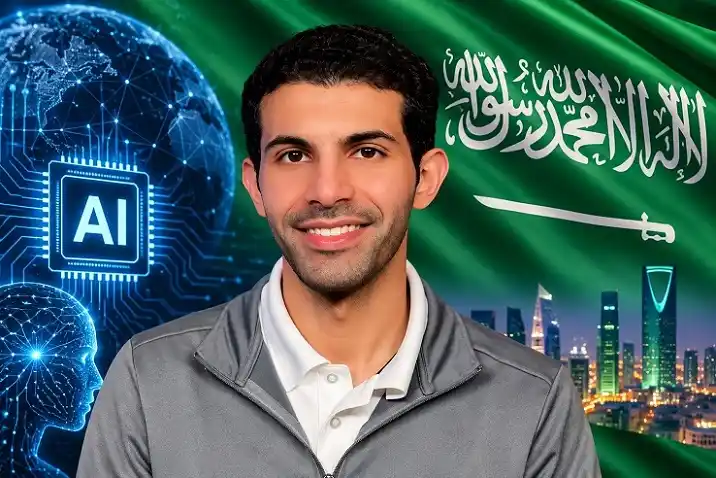
Image Credit: OpenAI
The suspect, 35-year-old Abdulrahman Alfozan, was arrested on October 9, 2026, just three days before he was scheduled to depart the United States on a one-way flight to Saudi Arabia with family members. According to federal court documents, this Thailand AI News report examines allegations that the engineer attempted to intercept confidential discussions involving OpenAI executives, government relationships, proprietary research, and strategic technology developments.
Hidden Recording Device Discovered Inside OpenAI
The investigation began after OpenAI security personnel discovered a concealed electronic recording device on September 30, inserted into a USB port behind a television in an executive conference room.
According to federal prosecutors, the equipment contained a digital microphone, detachable camera sensor, and microSD storage capabilities. Investigators said the device had been wrapped in toilet paper to conceal its presence.
The conference room was reportedly reserved for senior executives and authorized personnel. Meetings held there frequently involved highly confidential technical research, product development strategies, commercial negotiations, and discussions with government representatives.
Surveillance footage allegedly showed Alfozan repeatedly approaching the restricted room during September, despite having no authorization to attend meetings conducted there.
Investigators subsequently installed additional surveillance equipment and reportedly recorded him entering the room on October 5 and inspecting the area behind the television where the recording device had previously been discovered.
AI Chatbots Allegedly Used to Plan Surveillance
Federal investigators also uncovered what they described as suspicious interactions with AI-powered productivity tools.
Prosecutors allege that Alfozan used chatbots to research OpenAI building locations, conference room capacities, executive meeting schedules, and potential external partner meetings.
An account associated with his wife allegedly contained detailed questions about constructing, concealing, installing, and remotely accessing recording equipment. His wife has not been charged with any wrongdoing.
Investigators reportedly discovered another recording device inside a bag Alfozan left unattended in an office printer room. The second device, manufactured by the same company as the first, allegedly contained customized features designed to obscure stored information.
OpenAI subsequently terminated Alfozan’s employment.
However, the company emphasized that investigators had found no indication that he had improperly accessed or extracted AI model weights, source code, or customer information.
One-Way Saudi Flight Raises Questions
The investigation took another turn when prosecutors revealed that Alfozan had booked one-way airline tickets for himself, his wife, and another family member.
The scheduled October 12 journey would have taken them from San Francisco to Saudi Arabia through Istanbul.
In an October 8 filing, prosecutors argued that Alfozan represented a potential flight risk and requested that the criminal complaint and arrest warrant remain sealed until authorities could apprehend him.
A federal judge approved the request, and FBI agents arrested him the following day.
Alfozan remains detained ahead of an October 19 hearing.
He faces one count of using or attempting to use an electronic device to intercept oral communications. A conviction could result in up to five years imprisonment and a $250,000 fine.
Importantly, prosecutors have not charged him with stealing trade secrets, acting as a foreign intelligence agent, or conducting state-sponsored espionage.
Saudi Royal Connections Attract Scrutiny
Alfozan’s professional connections have attracted attention because of his involvement with Raed Ventures, a Saudi Arabian venture capital firm focused on Middle Eastern technology investments.
The company lists him as a venture partner alongside Prince Khalid bin Bader Al Saud, a member of Saudi Arabia’s ruling royal family.
In a September podcast interview, Alfozan discussed meeting Crown Prince Mohammed bin Salman during a 2016 Silicon Valley visit.
He recalled that the crown prince encouraged young Saudi technology professionals to gain experience at leading international companies before eventually returning home to strengthen Saudi Arabia’s technology sector.
Alfozan previously worked at Meta and other American technology companies before joining OpenAI in July 2025.
Nevertheless, the criminal complaint contains no allegation that Raed Ventures, its partners, or Saudi government officials knew about or participated in the alleged recording activities.
American AI Security Faces Growing Challenges
The case comes as Washington increasingly considers advanced artificial intelligence a critical national security priority.
American technology companies are competing against Chinese developers and other international organizations to build increasingly capable AI systems.
Federal officials warn that unauthorized access to confidential research, executive discussions, and strategic technology plans could threaten American technological competitiveness.
US Attorney Craig Missakian described protecting advanced technology as a national security concern, while FBI officials emphasized the importance of investigating attempts to obtain sensitive corporate information illegally.
Alfozan’s attorney, William Pernik, has urged the public to withhold judgment, stressing that his client has not been accused of stealing proprietary technology or operating as a foreign agent.
A Major Warning for the Global AI Industry
The allegations demonstrate how insider security vulnerabilities can threaten even the world’s most prominent artificial intelligence developers. Regardless of the eventual court outcome, the investigation underscores the importance of protecting confidential executive discussions, monitoring unauthorized surveillance equipment, and maintaining rigorous internal security controls.
The case also highlights why allegations involving foreign nationals must be distinguished from proven foreign government involvement. Whether prosecutors can establish that Alfozan unlawfully intercepted communications remains a question for the courts.