

What To Know
- For consumers in Thailand, the R1 represents an interesting alternative approach to AI hardware, although practical usefulness will depend on language support, compatible services, and how reliably its software performs in everyday situations.
- Instead of concentrating on writing down every detail during a meeting, users can focus on the discussion while the device captures the conversation for subsequent review.
Artificial intelligence is moving beyond smartphones, computers, and conventional smart home devices into an entirely new generation of personal technology. From intelligent rings that capture fleeting thoughts to miniature digital companions capable of remembering conversations, technology companies are racing to make AI a constant presence in everyday life. The latest wave of AI-powered wearables promises to transform how people work, communicate, organize information, and even understand their own emotions. Some of these products are already available, while others are preparing to enter a rapidly evolving market where convenience, personalization, and privacy are becoming major selling points.

Image Credit: Thailand AI News
What makes this emerging category particularly interesting is the variety of approaches being pursued by manufacturers. Rather than simply shrinking existing smartphones, developers are experimenting with devices that can listen, interpret conversations, recognize patterns, and respond to users without requiring them to stare at a screen. As explored in this Thailand AI News report, these innovations are also raising important questions about personal privacy, the reliability of AI-generated information, and whether consumers genuinely need another connected device. For technology enthusiasts in Thailand and elsewhere, the following ten products offer a fascinating look at where personal artificial intelligence could be heading.
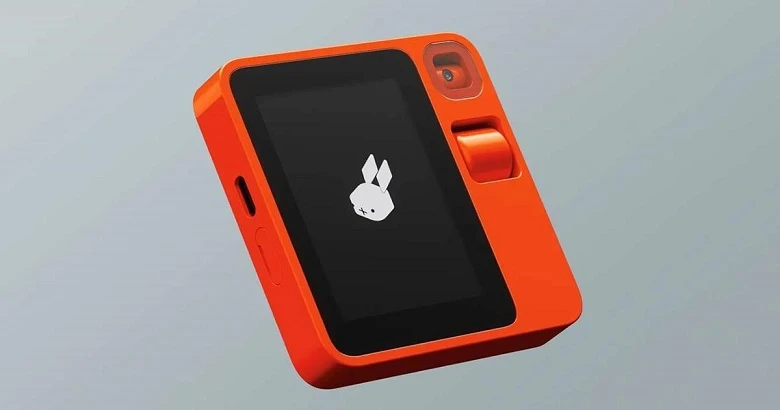
Image Credit: Rabbit
1. Rabbit R1: The Pocket-Sized AI Gadget Challenging Smartphones
The Rabbit R1 is among the most recognizable attempts to create a dedicated AI-powered personal assistant. Its distinctive orange body, compact touchscreen, and rotating camera make it look considerably different from conventional smartphones. Priced at approximately US$199, the device was designed to provide access to digital services through conversational commands rather than complicated menus and multiple applications.
Rabbit originally promoted the R1 as a way to simplify everyday tasks, including searching for information, interacting with online services, and potentially carrying out actions such as ordering food or arranging travel. The broader ambition was to create an AI interface capable of understanding what users wanted and coordinating the necessary steps.
However, the R1 experienced a difficult introduction. Early criticism focused on inconsistent performance, incomplete functionality, and the gap between ambitious demonstrations and what customers could actually accomplish.
Rabbit has subsequently worked to improve the device through software updates, including the introduction of features that allow users to create customized tools and interactive experiences.
One particularly interesting development is its Creations functionality, which expands the R1 beyond a conventional question-and-answer assistant. Instead of relying entirely on predefined capabilities, users can experiment with generating personalized software experiences.
For consumers in Thailand, the R1 represents an interesting alternative approach to AI hardware, although practical usefulness will depend on language support, compatible services, and how reliably its software performs in everyday situations.
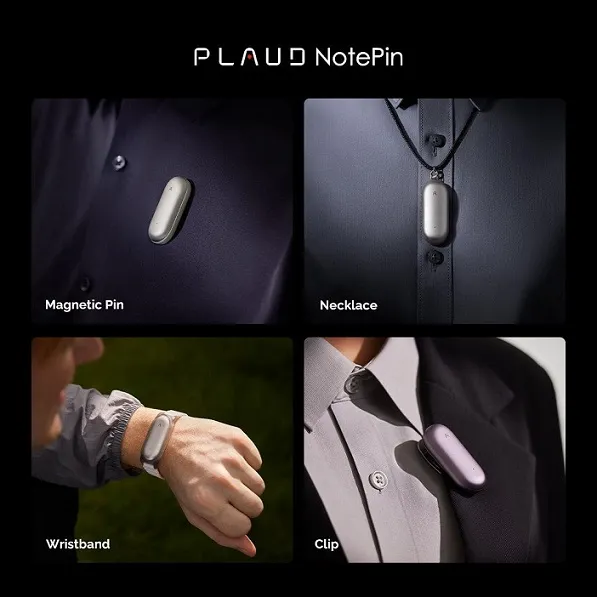
Image Credit: Plaud
2. Plaud NotePin: An Intelligent Recorder for Professionals and Students
The Plaud NotePin addresses one of the most practical applications of wearable artificial intelligence: capturing spoken information and converting it into useful written records.
Priced at approximately US$159, the miniature device can be worn around the neck, attached to clothing, or carried using compatible accessories. Its primary purpose is to record conversations, meetings, lectures, and interviews before using AI-powered software to produce transcripts, summaries, and organized notes.
For journalists, lawyers, researchers, executives, and university students, this functionality could significantly reduce the administrative burden associated with manual note-taking.
Instead of concentrating on writing down every detail during a meeting, users can focus on the discussion while the device captures the conversation for subsequent review.
Plaud’s software can also help identify important information and organize material into more accessible formats. This could be particularly useful when reviewing lengthy interviews or identifying action points following business meetings.
The product includes a monthly allowance of transcription minutes, with additional subscription plans available for heavier usage. The service structure makes it important for prospective buyers to consider recurring costs rather than looking exclusively at the hardware price.
Plaud has also expanded its product lineup with the Note Pro, reflecting growing competition in the AI recording market.
In Thailand, such devices could appeal to business professionals and students, particularly where multilingual transcription is required. Nevertheless, users should verify support for Thai-language conversations, specialized terminology, and mixed-language recordings before purchasing.

Image Credit: Friend
3. Friend: The AI Necklace That Wants to Become Your Companion
One of the most controversial developments in personal AI hardware is the Friend AI pendant, a wearable device designed around companionship rather than traditional productivity.
The approximately US$129 pendant connects to a smartphone through Bluetooth and uses conversational AI to interact with its owner.
Unlike devices primarily intended to record meetings or manage appointments, Friend attempts to provide an ongoing conversational presence. Its software is designed to interpret information from conversations and offer responses that feel relevant to the user’s circumstances.
For example, it might provide encouragement before an important event or respond to something the wearer has discussed earlier.
The company has also introduced an updated concept known as Friend 2.0, incorporating a speaker that allows the device to communicate through spoken responses rather than relying exclusively on smartphone notifications.
The concept has attracted attention partly because it raises questions about the emotional relationship between people and artificial intelligence.
Although conversational systems can generate supportive responses, they do not possess human understanding or emotional awareness in the same sense as another person.
Friend has also faced public criticism over the privacy implications of an always-listening companion. Its advertising campaign in New York generated backlash, highlighting growing unease about technologies that may capture information from surrounding conversations.
The device illustrates an important dividing line in the AI wearables industry: some manufacturers are selling tools that help people complete tasks, while others are attempting to create artificial companions that become part of their social lives.
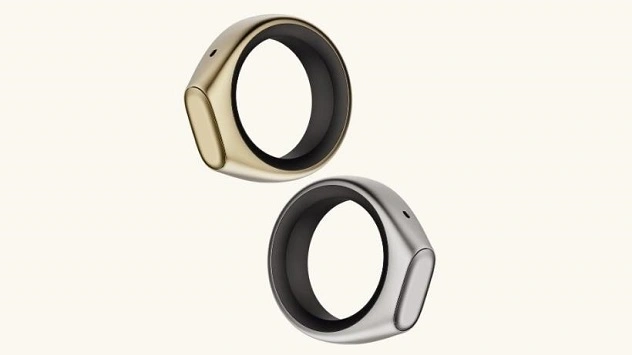
Image Credit: Sandbar
. Sandbar Stream: The Smart Ring That Records Your Thoughts
The Sandbar Stream takes a different approach to wearable AI by placing a voice-controlled assistant inside a ring.
Developed by Sandbar, the device is designed to capture thoughts, manage information, and provide convenient access to AI functionality without requiring users to carry another handheld gadget.
Its most distinctive feature is a microphone that remains inactive until deliberately activated. Users can press and hold a touch-sensitive surface on the ring to begin recording a thought or issuing a command.
This design offers a meaningful contrast with wearables that continuously monitor their surroundings. By making recording a deliberate action, Sandbar gives users more immediate control over when the microphone is active.
The ring works alongside a smartphone application that processes recorded information and provides access to an AI assistant.
It also supports media controls, allowing users to manage music playback through gestures and touch interactions.
Sandbar has presented the Stream as a premium wearable, with an announced price of approximately US$299 and options including silver and gold finishes. Buyers should check the company’s latest ordering and shipping information before making purchasing decisions.
The product could prove particularly useful for professionals who frequently have ideas while walking, commuting, exercising, or working away from a desk.
Rather than opening a smartphone application, they could capture a short voice memo with a simple gesture.
However, the practicality of the Stream will ultimately depend on recording quality, battery performance, comfort, and the accuracy of its AI software.
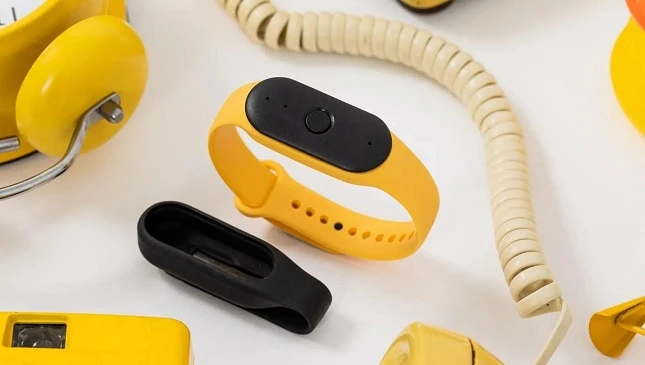
Image Credit: Amazon
5. Bee: Amazon’s Affordable AI Assistant That Remembers Your Day
The Bee wearable AI assistant demonstrates how large technology companies are entering the market for personalized AI devices.
Amazon acquired Bee in July 2025, gaining access to technology designed to capture everyday conversations and convert them into useful personal information.
The original Bee wearable was introduced at approximately $49.99, making it one of the more affordable products in this emerging category.
Its functionality centers on recording spoken information, identifying important details, and helping users organize their activities through a companion application.
Rather than simply storing audio files, Bee attempts to interpret what has happened throughout the day and generate reminders, summaries, and other relevant information.
Amazon subsequently expanded the product family with two devices: Bee Frontier, priced at approximately US$74.99, and Bee Eclipse, priced at approximately US$99.99.
The Frontier can be worn on the wrist or attached to clothing, while the Eclipse uses a compact, credit-card-like form factor that attaches magnetically to the back of a smartphone.
Both products reflect an effort to make AI assistance less dependent on traditional screen-based interactions.
Another interesting aspect is the option to connect Bee with Alexa, potentially allowing Amazon to combine personal conversational context with its established digital assistant ecosystem.
For consumers, this integration could eventually make it easier to move between personal reminders, home automation, and other connected services.
However, a device that captures extensive details about daily conversations also creates substantial privacy responsibilities. Users need to understand how information is processed, where it is stored, and what controls are available for deleting recordings.
Bee’s relatively accessible pricing could make it an important competitor if its software delivers consistent results.
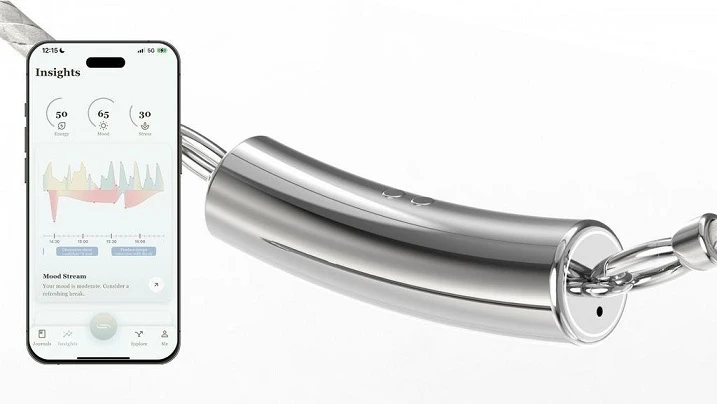
Image Credit: Nirva
6. Nirva: An AI Pendant Designed to Understand Personal Behavior
While many AI wearables emphasize productivity, Nirva is pursuing a more reflective application of artificial intelligence.
Founded by former Meta Reality Labs employees, the company is developing a wearable that uses conversational information to help people examine their communication habits, emotional patterns, and personal experiences.
The device can be worn as a pendant or bracelet and is designed to work with a companion application.
Its central concept is that everyday conversations can reveal patterns that people might otherwise overlook.
For example, someone might discover that certain situations regularly produce frustration, that particular interactions are associated with positive experiences, or that recurring communication habits affect personal relationships.
Nirva aims to organize these observations into a form of AI-assisted personal journaling.
Unlike traditional journals, which require users to sit down and record their thoughts, the system attempts to build a picture of everyday experiences using captured speech.
The company has announced a price of approximately US$249, with plans to open orders in November 2026 and target initial shipments toward the end of the year.
The approach is intriguing, but its claims require careful interpretation. AI can analyze language and identify statistical patterns, yet those patterns do not necessarily reveal someone’s true emotional state or psychological motivations.
Speech can be influenced by cultural expectations, humor, fatigue, and circumstances that an automated system may not fully understand.
For Thai consumers, cultural and linguistic sensitivity would be especially important. Systems trained primarily on English-language interactions may struggle with Thai conversational nuances, indirect communication, and expressions whose meaning depends heavily on social context.
Nirva illustrates how AI hardware manufacturers are exploring applications beyond scheduling and transcription, moving into the much more complicated territory of personal behavior and self-reflection.

Image Credit: Omni AI
7. Omi: The Wearable AI Assistant That Can Build a Digital Memory
The Omi AI wearable is another ambitious attempt to create a personal digital memory using artificial intelligence.
Originally attracting attention with an approximately US$89 wearable, Omi is designed to capture conversations, generate summaries, identify tasks, and help users retrieve information they might otherwise forget.
Its small, circular design allows it to be worn around the neck or attached to a wristband. The company also promotes the ability to place the device on a desk during meetings or other activities.
The latest product information describes a dual-microphone system, offline recording capabilities, and a battery designed to last approximately two to three days, depending on usage.
Omi’s software can organize conversations into summaries, reminders, and actionable tasks. Users can subsequently search recorded information or ask questions about previous discussions.
For example, a professional could ask what commitments were made during a meeting earlier in the week or retrieve details from a conversation about an upcoming project.
The company advertises support for more than 25 languages, although the accuracy of individual languages and mixed-language conversations should be independently assessed.
Omi also offers a free plan with five recording hours per month, while its Pro subscription is advertised at $29.99 monthly for users requiring more extensive recording capabilities.
What distinguishes Omi is its emphasis on turning conversational information into a searchable personal knowledge base.
This could eventually prove useful for people managing complicated schedules, multiple projects, and large volumes of spoken information.
Nevertheless, the accuracy of AI-generated summaries remains important. Misidentified speakers, misunderstood instructions, or incorrect dates could create problems if users rely on automatically generated records without reviewing them.
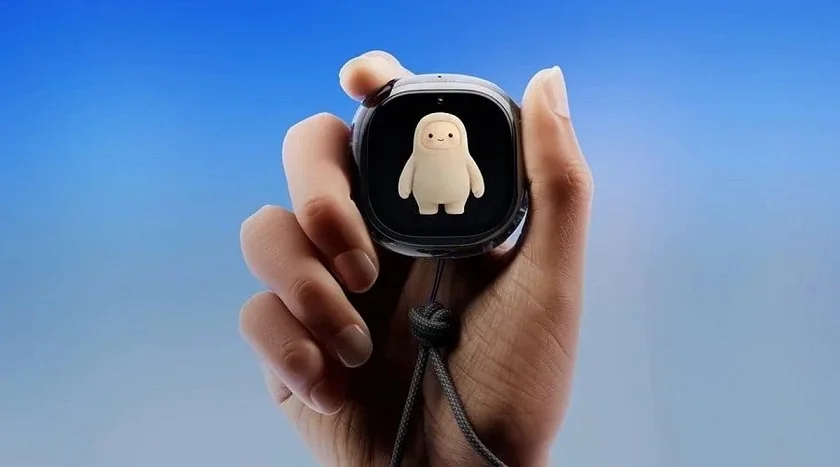
Image Credit: Meta
8. Muse Charm: Meta’s Experimental Pocket-Sized AI Companion
Meta’s reported Muse Charm concept highlights the growing interest among major technology companies in developing AI companions that extend beyond conventional smartphone applications.
Introduced in September 2026, the device is described as a compact accessory featuring a miniature display and a digital character known as Jolly.
Rather than functioning exclusively as a voice recorder, the proposed product would provide a more expressive interface for interacting with Meta’s personal AI assistant, Muse.
Users would be able to communicate through spoken commands while receiving responses and visual feedback from the animated character.
The device is intended to be small enough to carry in a pocket or attach to a keychain, making it more portable than traditional handheld electronics.
Its animated interface could also make AI interactions feel more approachable, particularly for consumers who prefer a recognizable visual character over a conventional text-based chatbot.
However, Muse Charm remains a developing product, and important details concerning its commercial release, pricing, battery performance, and final capabilities have not been established.
Meta’s broader interest in wearable AI is significant because the company already has experience developing smart glasses and integrating AI assistants with consumer hardware.
A pocket-sized companion could complement that ecosystem by offering another way to interact with digital services.
Whether consumers would prefer a dedicated animated AI accessory over an assistant already available on their smartphones remains an open question.
For now, Muse Charm is best understood as an indication of the direction Meta is exploring rather than an established commercial product.
https://www.meta.com/muse-charm
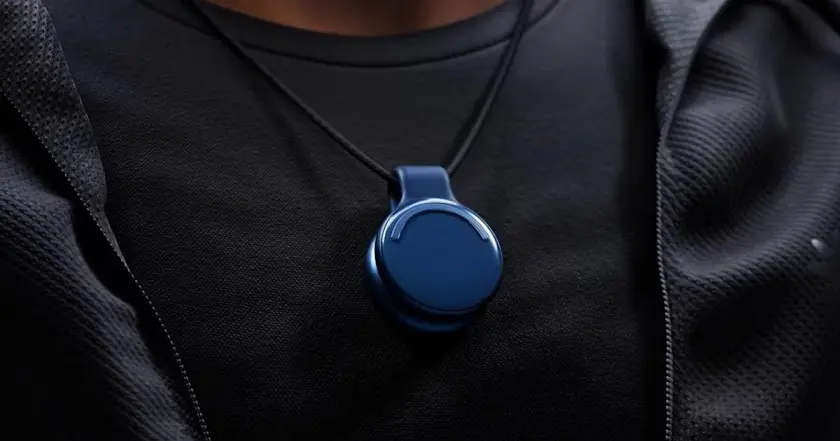
Image Credit: Meta
9. Limitless Pendant: A Digital Memory Device with an Uncertain Future
The Limitless Pendant was developed around a straightforward idea: people forget important details from conversations, and artificial intelligence could help preserve them.
Previously known as Rewind, Limitless created a wearable microphone capable of capturing spoken information and transforming it into searchable transcripts and summaries.
The pendant was designed for professionals who regularly attend meetings, conduct interviews, or participate in discussions containing information they may need later.
Its companion software allowed users to revisit conversations, identify important details, and ask questions about recorded material.
Unlike conventional audio recorders, which require users to listen through lengthy files, Limitless aimed to make spoken information searchable and easier to organize.
The company also emphasized features such as all-day recording, magnetic attachment options, and smartphone synchronization.
However, an important development has changed the product’s commercial outlook.
Limitless announced that it had been acquired by Meta and confirmed that it stopped selling new pendants on December 5, 2025. The company stated that existing pendant customers would continue receiving support for at least another year, while its Unlimited subscription would become free for continuing customers.
Consequently, the Limitless Pendant should not be regarded as a currently available new purchase.
Its inclusion remains relevant because the technology illustrates the appeal of AI-assisted memory and the growing strategic importance of this category to larger technology companies.
The acquisition also raises questions about whether similar capabilities could eventually be integrated into Meta’s broader wearable product portfolio.
For existing users, continued support, data portability, and the long-term availability of recorded information remain particularly important considerations.
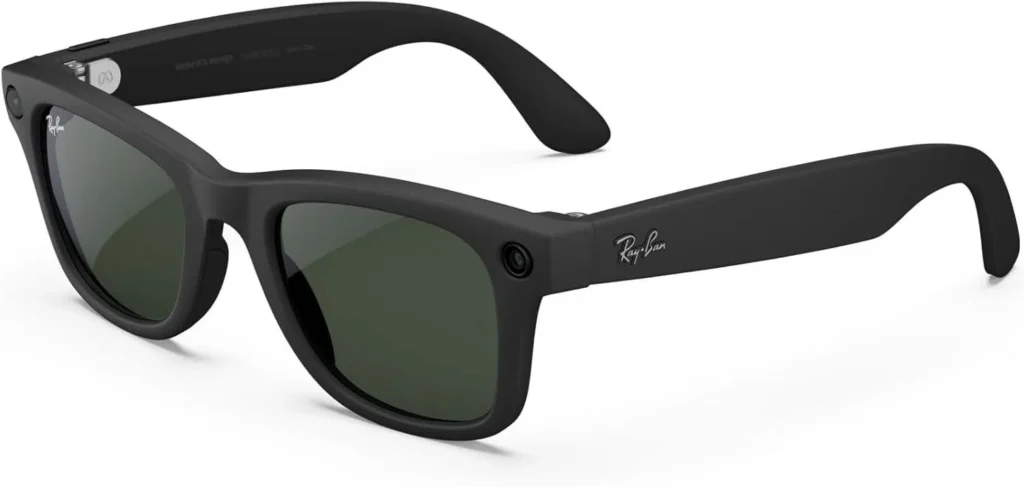
Image Credit: Ray-Ban
10. Ray-Ban Meta AI Glasses: Smart Eyewear That Can See and Understand the World
An especially interesting addition to this collection is the Ray-Ban Meta AI glasses range, which demonstrates how artificial intelligence can be integrated into familiar everyday eyewear.
Developed through the collaboration between Meta and Ray-Ban, these glasses combine conventional eyewear styling with microphones, speakers, cameras, and AI-powered software.
Unlike many pendants and rings that concentrate on spoken information, camera-equipped Ray-Ban Meta glasses can also capture visual information.
This allows users to ask questions about objects and surroundings, receive assistance through spoken interactions, and access selected AI features without repeatedly reaching for a smartphone.
The second-generation Ray-Ban Meta glasses have been advertised from approximately US$379 in the United States, while newer third-generation models are listed from approximately US$449. Pricing varies by model, lenses, and configuration.
According to Ray-Ban’s published specifications, the third-generation models include a 12-megapixel ultra-wide camera, a six-microphone array, support for video recording up to 3K resolution, and up to nine hours of use on a single charge under specified conditions.
The company also advertises AI-assisted translation, conversational assistance, and other functions that combine visual and spoken information.
For travelers, such capabilities could be especially attractive. Someone visiting an unfamiliar destination might use the glasses to ask about a landmark, obtain information about an object, or access translation assistance.
In Thailand, the potential applications extend to tourism, retail, education, and professional environments where hands-free access to information could be valuable.
However, regional availability of AI functions and supported languages may differ. Buyers should verify which features operate in Thailand rather than assuming that every advertised capability is universally accessible.
Smart glasses also introduce privacy concerns because their cameras can capture images of surrounding people and environments.
Their long-term success will depend not only on technical sophistication but also on whether consumers and the public become comfortable with camera-equipped eyewear in everyday settings.
https://www.ray-ban.com/usa/l/discover-ray-ban-meta-ai-glasses
The Bigger Challenge Facing AI Wearables
Although these ten products offer different interpretations of personal artificial intelligence, several common challenges could determine which technologies ultimately succeed.
Battery life remains an important limitation, particularly for devices intended to operate throughout the day. Reliable speech recognition is another major requirement, especially in noisy environments such as restaurants, public transportation systems, and crowded offices.
Manufacturers must also demonstrate that their products offer meaningful advantages over smartphone applications that already provide transcription, voice assistance, and AI-powered search.
Subscription pricing could become another obstacle. A relatively inexpensive device may prove less attractive when its most useful capabilities require substantial recurring payments.
Privacy is arguably the most sensitive issue. Wearables capable of recording conversations may capture information about people who have not agreed to participate. Responsible use requires clear notification, appropriate consent, secure storage, and effective controls over recordings and transcripts.
These issues are particularly relevant in Thailand, where organizations and consumers must consider applicable personal data protection requirements when collecting or processing identifiable information.
Why the Next Generation of Personal AI Could Be Different
The growing variety of AI wearables suggests that the industry is moving toward a future in which artificial intelligence becomes more closely integrated with ordinary human activities.
Instead of opening an application and typing a question, users may increasingly interact with AI through speech, gestures, cameras, and other unobtrusive interfaces.
Yet technological novelty alone will not guarantee commercial success. The most successful products are likely to be those that solve genuine problems, operate reliably, respect personal boundaries, and justify their total ownership costs.
For Thailand’s expanding digital economy, AI wearables could eventually create opportunities across business productivity, education, tourism, and personal technology. Their broader adoption, however, will depend on practical usefulness, trustworthy data handling, affordable pricing, and effective support for local languages.
As competition intensifies, the distinction between smartphones, personal assistants, and wearable electronics may become increasingly blurred. Whether these devices become indispensable everyday tools or remain niche accessories will depend on how convincingly manufacturers translate ambitious AI capabilities into reliable consumer experiences.