

What To Know
- The global artificial intelligence industry has been rocked by the surprise departure of Noam Shazeer, one of the key architects behind Google’s Gemini AI models, who has announced that he is leaving Google to join OpenAI, the company behind ChatGPT.
- The move is being viewed as one of the most significant talent shifts in the AI sector this year and highlights the escalating battle among technology giants to secure the world’s most influential AI researchers and engineers.
AI News: The global artificial intelligence industry has been rocked by the surprise departure of Noam Shazeer, one of the key architects behind Google’s Gemini AI models, who has announced that he is leaving Google to join OpenAI, the company behind ChatGPT. The move is being viewed as one of the most significant talent shifts in the AI sector this year and highlights the escalating battle among technology giants to secure the world’s most influential AI researchers and engineers.
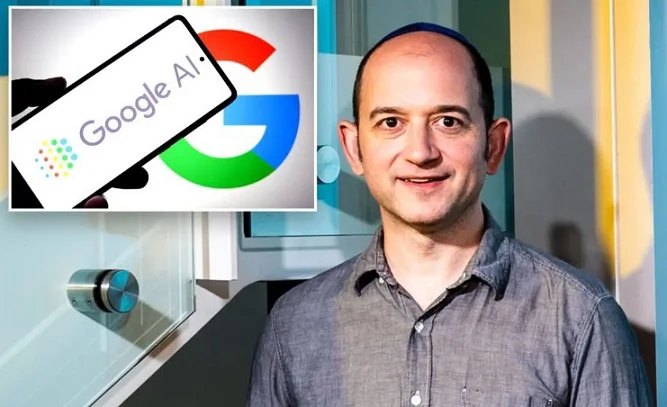
Image Credit: StockShots
Shazeer, who served as Google’s Vice President of Engineering and co-led the development of Gemini, revealed the decision in a public post on X. In his announcement, he expressed excitement about joining OpenAI while also paying tribute to his former colleagues at Google. Midway through a period of unprecedented competition in artificial intelligence, this AI News report notes that the departure comes at a particularly sensitive time for Google, which has been aggressively expanding its AI portfolio to challenge OpenAI’s growing dominance.
A Short but Influential Return to Google
The announcement is especially noteworthy because Shazeer only returned to Google in August 2024. At that time, Google brought him and fellow researcher Daniel De Freitas back into its DeepMind division through a strategic partnership involving Character.AI, the startup they founded after leaving Google in 2021.
The pair originally departed Google after the company declined to aggressively pursue a chatbot initiative they had championed. Their startup, Character.AI, rapidly emerged as one of the most recognized AI ventures in the world, attracting millions of users and substantial investor interest. Google’s effort to bring Shazeer back was widely interpreted as a major strategic move to strengthen its position in the intensifying AI race.
Following his return, Shazeer was appointed as a co-leader of the Gemini AI project and became instrumental in helping Google narrow the gap between Gemini and OpenAI’s ChatGPT. Industry observers frequently credited him as one of the central figures driving Gemini’s rapid advancement.
The AI Talent War Intensifies
Shazeer’s move underscores how competition for elite AI talent has become one of the defining battlegrounds in the technology industry. As companies invest billions of dollars into developing increasingly powerful AI systems, recruiting and retaining top researchers has become as important as acquiring computing power and data resources.
His departure also comes shortly after Google unveiled new AI offerings, including Gemini 3.5 Flash and the Gemini Spark AI agent, during its annual I/O developer conference. At the same time, OpenAI is reportedly preparing for a highly anticipated initial public offering, a development that could further strengthen its position in the industry.
A Pioneer of the Modern AI Era
Beyond his work on Gemini, Shazeer is widely recognized as one of the co-authors of the landmark 2017 Transformer research paper. That breakthrough introduced the foundational architecture that powers today’s leading AI models, including ChatGPT, Gemini, Claude, and many others. The paper is often regarded as the catalyst that launched the modern generative AI revolution.
His transition from Google to OpenAI therefore represents far more than a routine executive move. It symbolizes a shifting balance of expertise within an industry where a handful of researchers have helped shape technologies that are transforming businesses, economies, and daily life around the world.
As AI development accelerates and competition becomes increasingly fierce, Shazeer’s decision will likely be remembered as one of the defining talent moves of this phase of the AI revolution. Both Google and OpenAI remain at the forefront of innovation, but the movement of influential figures such as Shazeer demonstrates that the battle for leadership in artificial intelligence is far from settled.
For the latest developments in the global AI space, keep on logging to Thailand AI News.