What To Know
- The artificial intelligence sector continues to evolve at a relentless pace, and one of the latest developments comes from Anthropic with the introduction of Claude Design, a new experimental tool that aims to simplify how visual content is created.
- The platform allows users to generate prototypes, presentations, one-pagers, and other visual materials simply by describing their ideas in plain language, signaling a notable shift in how creative workflows are handled.
AI Apps: The artificial intelligence sector continues to evolve at a relentless pace, and one of the latest developments comes from Anthropic with the introduction of Claude Design, a new experimental tool that aims to simplify how visual content is created. The platform allows users to generate prototypes, presentations, one-pagers, and other visual materials simply by describing their ideas in plain language, signaling a notable shift in how creative workflows are handled.
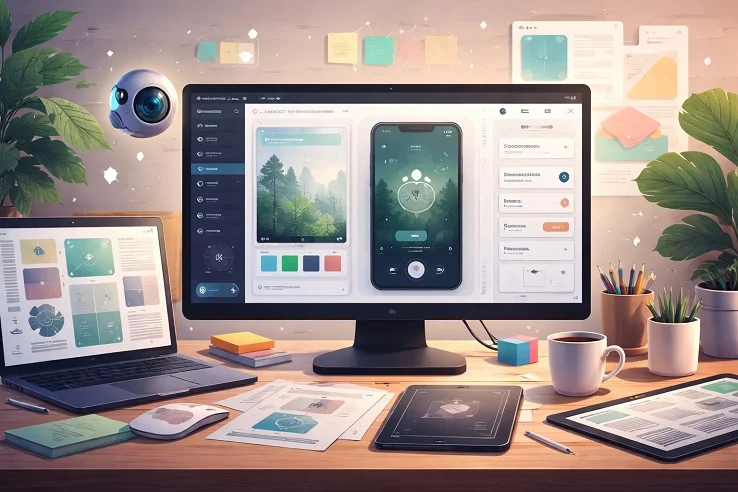
Image Credit: Thailand AI News
Unlike traditional design software that often demands technical expertise or prior experience, Claude Design is built with accessibility in mind. It opens the door for founders, product managers, marketers, and even complete beginners to quickly bring their ideas to life. This AI Apps news report highlights how such tools are breaking down long-standing barriers in design, enabling users to move from concept to visual output within minutes. A simple prompt, such as requesting a calm and minimalist meditation app interface, can instantly produce a working draft that can then be refined through intuitive adjustments.
Turning Ideas into Immediate Visual Output
Claude Design is designed to function less like a conventional tool and more like a responsive creative partner. Powered by an advanced AI model, it can process complex instructions and generate structured, visually coherent drafts. Users can adjust typography, fine-tune color schemes, and introduce new elements such as dark mode features with minimal effort.
The interaction model emphasizes collaboration. Instead of navigating complicated menus, users engage in a back-and-forth process that feels closer to working with a skilled colleague. This significantly reduces the time typically required to translate ideas into presentable designs, making the process both faster and more efficient.
Built for Teams and Real-World Workflows
A key strength of Claude Design lies in its ability to integrate into existing workflows. Teams can upload design assets and internal materials, allowing the system to automatically align outputs with established branding guidelines. This ensures consistency across projects without requiring repeated manual adjustments.
The tool also supports multiple design systems, which is particularly useful for organizations managing various products or brands. Once a project is completed, it can be exported in several formats, including PDFs, presentation files, and shareable links. This flexibility allows teams to continue refining their work using other platforms if needed, creating a seamless bridge between idea generation and final production.
Intensifying Competition in AI Design
The release of Claude Design comes at a time when competition in AI-powered creative tools is intensifying. A growing number of companies are racing to combine design capabilities with artificial intelligence, leading to a convergence where tools are becoming more versatile and less specialized. Instead of focusing on a single function, platforms are evolving into all-in-one ecosystems that support ideation, execution, and collaboration.
Claude Design reflects this broader industry shift. It does not attempt to replace existing tools entirely but instead complements them by accelerating the early stages of the creative process. This positioning highlights a future where different platforms work together rather than compete in isolation.
A Broader Shift in Creative Work
The introduction of tools like Claude Design signals a deeper transformation in how creative work is performed. The ability to produce high-quality visuals without specialized skills changes the role of design itself, making it more inclusive and widely accessible. Individuals who previously relied on professional designers can now participate directly in the creative process.
At the same time, professionals may find their workflows enhanced rather than replaced, as AI handles repetitive or time-consuming tasks. This allows them to focus on higher-level creativity and strategic thinking. The long-term impact could be a redefinition of design roles across industries, with greater emphasis on ideas and less on technical execution.
As artificial intelligence continues to advance, tools like Claude Design are likely to become essential components of everyday workflows. They are reshaping expectations, accelerating productivity, and redefining how ideas are communicated. The pace of innovation suggests that this is only the beginning of a much larger transformation in the creative landscape, one that will continue to unfold rapidly and influence how businesses and individuals approach design in the years ahead.
Reference:
https://www.anthropic.com/news/claude-design-anthropic-labs
For the latest AI Apps, keep on logging to Thailand AI News.