

What To Know
- The concept is simple but powerful—users describe an idea using text or voice, and the AI handles the technical heavy lifting in the background.
- This AI Apps news report highlights how Lovable is positioning itself as a tool not just for developers, but for anyone with a concept and a few spare moments.
AI Apps: A New Wave of App Building Goes Mobile
The rise of “vibe coding” continues to reshape how people think about software creation, and Lovable’s latest move is pushing that idea firmly into the mobile era. The Stockholm-based AI startup has officially launched its no-code app-building platform on both iOS and Android, allowing users to generate apps and websites directly from their smartphones. The concept is simple but powerful—users describe an idea using text or voice, and the AI handles the technical heavy lifting in the background.
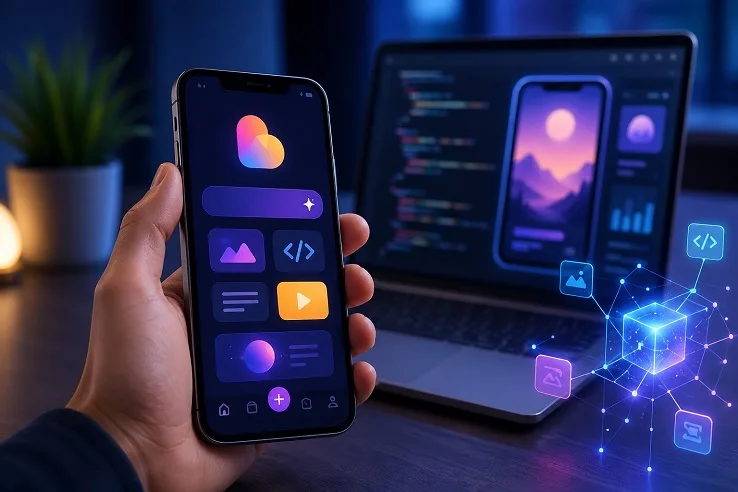
Image Credit: Thailand AI News
This shift toward mobile-first creation reflects a broader trend where innovation no longer waits for a desktop session. Instead, ideas can be captured instantly, wherever inspiration strikes. This AI Apps news report highlights how Lovable is positioning itself as a tool not just for developers, but for anyone with a concept and a few spare moments.
Designed for Speed, Simplicity, and Flexibility
Lovable’s mobile app is not meant to fully replace its web platform, but rather extend it. Users can begin a project on their phone, refine it on a desktop, and switch back again without losing progress. This seamless cross-platform experience is one of the app’s strongest selling points, ensuring continuity for users who move between devices throughout the day.
The app allows multiple projects to run simultaneously, with the AI continuing to build even when the user closes the application. Notifications alert users when their projects are ready for review, making the process feel almost like delegating tasks to a virtual assistant. While the mobile version does not include every feature available on the desktop platform, it retains enough functionality to make it genuinely useful for ideation, prototyping, and quick iterations.
Navigating Apple’s Tightened Rules
Lovable’s launch comes at a time when Apple has been tightening its policies around AI-powered coding apps. The tech giant recently cracked down on platforms that dynamically generate or modify code within apps, citing security concerns and the need for stricter review processes. Several apps faced temporary blocks or required adjustments to remain compliant.
Rather than resist these changes, Lovable appears to have adapted its approach. Instead of running generated apps directly within the mobile environment, previews are shifted to web browsers. This workaround ensures compliance while still delivering a functional user experience. It also signals a broader industry adjustment, where AI-driven tools must balance innovation with platform governance.
Expanding Reach in a Competitive Market
The mobile rollout is also a strategic move for growth. After securing substantial funding in a previous round, Lovable is clearly aiming to expand its user base beyond traditional developers. By lowering the barrier to entry, the company is tapping into a wider audience—entrepreneurs, students, and creatives who may not have coding experience but still want to build digital products.
The ability to generate apps using natural language or voice commands further democratizes development. Instead of learning complex programming languages, users can focus on ideas and outcomes. This approach aligns with the growing demand for accessible AI tools that empower individuals rather than replace them.
What This Means for the Future of Development
Lovable’s mobile debut underscores a significant shift in how software is created and consumed. The idea of building functional applications from a phone, using nothing more than spoken or typed instructions, would have seemed far-fetched just a few years ago. Now, it is becoming a practical reality.
As AI continues to evolve, tools like Lovable could redefine productivity and creativity in the digital space. They also raise important questions about quality control, security, and the role of traditional coding skills in the future. Still, the momentum behind vibe coding suggests that this is not a passing trend but a foundational change in the tech landscape.
The broader takeaway is clear—software creation is becoming faster, more intuitive, and increasingly accessible to the masses. While challenges remain, the direction is unmistakable, and platforms that adapt quickly will likely shape the next generation of digital innovation.
For more details on Lovable App, visit:
For the latest on AI Apps, keep on logging to Thailand AI News.