

What To Know
- The company’s ability to reach break-even on such large-scale AI investments in such a short time frame has therefore caught global attention and may alter the way other e-commerce giants view their technology spending.
- If Alibaba continues to sustain profitability from its AI initiatives over the next several quarters, it will redefine how investors and executives view AI spending—transforming it from a speculative gamble into a proven pathway for growth.
Thailand AI News: Alibaba claims its AI spending is paying off
In a surprising revelation, Alibaba has announced that its extensive investments in artificial intelligence for its e-commerce platforms Taobao and Tmall are already breaking even. Company executives said the integration of AI into its advertising and retail algorithms has led to a remarkable 12 percent increase in advertising return on investment. In this Thailand AI News report, insiders revealed that the improvements stem from AI-enhanced personalization, advanced product recommendations, and virtual try-on tools that are reshaping how millions of users shop online across China.
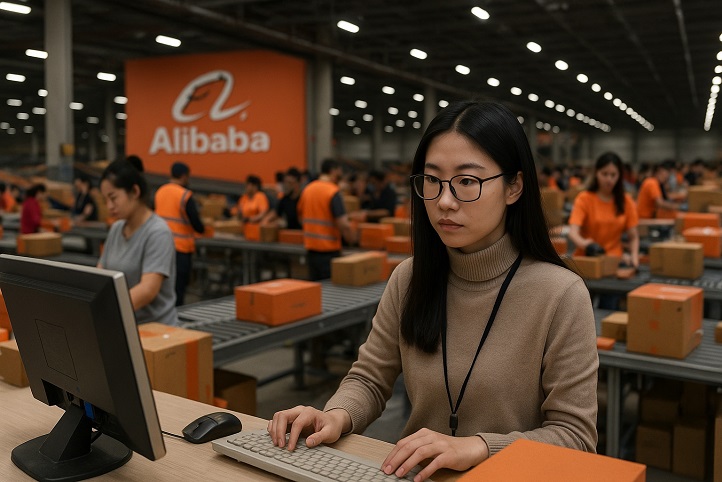
Alibaba reports that its AI-powered e-commerce operations are now breaking even, signaling a new era of profitability in digital retail
Image Credit: AI-Generated
Alibaba had previously committed over 380 billion yuan, equivalent to more than 50 billion US dollars, toward building a long-term AI and cloud computing infrastructure to secure its leadership in the digital retail landscape. This move came at a time when Chinese consumer spending was weakening, and competition from platforms like JD.com and ByteDance’s Douyin was intensifying. The company’s ability to reach break-even on such large-scale AI investments in such a short time frame has therefore caught global attention and may alter the way other e-commerce giants view their technology spending.
How Alibaba is transforming shopping through AI
The company has integrated artificial intelligence into every part of the shopping journey. AI now influences how products appear in search results, what items are recommended to shoppers, and even how clothes or accessories can be virtually tried on through augmented interfaces. These systems adapt in real time to user behavior, improving engagement and encouraging higher conversion rates. Early data from Alibaba’s internal trials indicate that this technology is creating new consumer habits while improving profitability.
With the annual Singles Day shopping festival approaching, Alibaba aims to leverage its AI capabilities to drive record sales. Company leaders suggest that these tools not only personalize the shopping experience but also streamline backend logistics and pricing algorithms, ensuring that sellers and consumers alike benefit from greater efficiency.
A turning point for China’s tech industry
Despite a challenging economic environment, Alibaba’s domestic e-commerce division remains its largest revenue contributor, with double-digit growth seen in the most recent quarter. The company believes that AI will serve as a key stabilizer against market volatility and a tool to maintain dominance amid rising competition. Industry experts say this milestone could mark a new phase where AI becomes a profit driver rather than an experimental expense for major technology companies.
Implications for Southeast Asia and global tech players
Alibaba’s breakthrough has significant implications for the Southeast Asian market, particularly for Thailand, where local online retailers are racing to integrate AI-driven systems into their platforms. The company’s success could serve as a model for smaller markets to follow, provided they can adapt AI frameworks without massive capital expenditure.
If Alibaba continues to sustain profitability from its AI initiatives over the next several quarters, it will redefine how investors and executives view AI spending—transforming it from a speculative gamble into a proven pathway for growth. The development also signals a broader trend: the global retail sector is transitioning from cautious experimentation to full-scale AI adoption, and those who hesitate risk being left behind.
For the latest on AI adoptions in businesses, keep on logging to Thailand AI News