What To Know
- A pioneering partnership among the Pollution Control Department (PCD), Thailand Institute of Scientific and Technological Research (TISTR), and Thaicom aims to transform how Thailand predicts and prepares for PM2.
- On the corporate side, Thaicom CEO Patompob Suwansiri highlights how satellite data and AI will streamline access to pollution monitoring for both agencies and citizens—marking a breakthrough in public engagement with space technology’s real-world application.
Thailand AI News: Satellite Eyes on the Skies: Thailand Tackles PM2.5 with AI Power
Thailand has stepped into a new era of environmental defense by deploying a cutting-edge union of satellite technology and artificial intelligence. A pioneering partnership among the Pollution Control Department (PCD), Thailand Institute of Scientific and Technological Research (TISTR), and Thaicom aims to transform how Thailand predicts and prepares for PM2.5 pollution—not just reacting, but forecasting danger zones up to a week ahead.
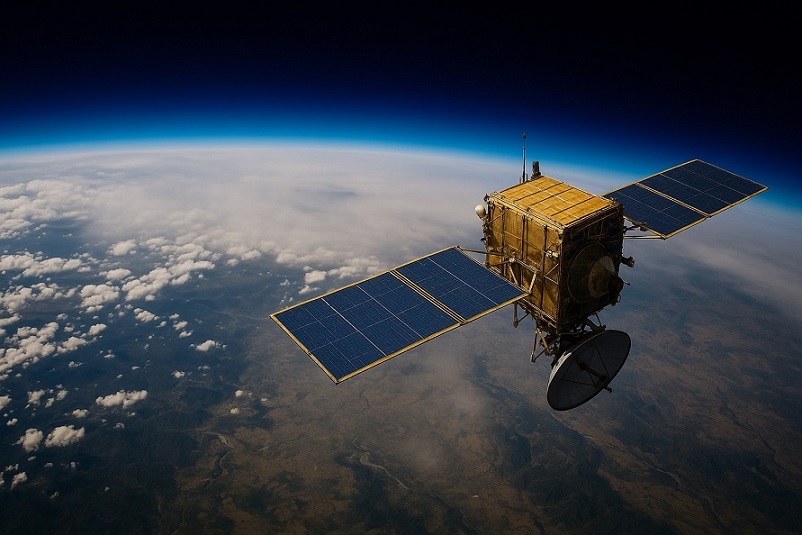
Thailand harnesses satellites and AI to predict and combat PM2.5 pollution.
Image Credit: PCD
A Proactive Turn in Pollution Control
Historically, Thailand’s PM2.5 crisis—fuelled by seasonal agricultural burning, congested urban traffic, and industrial emissions—has imposed a heavy toll on public health and the economy, especially in tourism, agriculture, and healthcare. Reactive responses have proved insufficient to curb recurring spikes in hazardous air quality. But as this Thailand AI News report indicates, Thailand is now embracing a forward-looking strategy. The new “Air Pollution Management Platform” harnesses satellite imagery, ground-level pollution metrics, and weather data, feeding into AI and machine-learning models that will pinpoint high-risk areas days before conditions peak.
How the Tech Partnership Unfolds
Under a freshly inked Memorandum of Understanding, PCD, TISTR, and Thaicom are pooling their expertise. PCD Director-General Preeyaporn Suwanaged stresses that having robust predictive insight is critical to supporting the forthcoming Clean Air Management Act—equipping authorities to issue timely warnings and coordinate preventive actions. Meanwhile, Asst Prof Dr Weerachai Arjharn of TISTR envisions a scalable model: pilot projects in high-pollution areas will pave the way for nationwide adoption, tying into Thailand’s circular economy and sustainability goals. On the corporate side, Thaicom CEO Patompob Suwansiri highlights how satellite data and AI will streamline access to pollution monitoring for both agencies and citizens—marking a breakthrough in public engagement with space technology’s real-world application.
From Novelty to Lasting Impact
This collaboration marks more than a technological experiment—it represents a cultural shift in environmental governance. By shifting from reaction to anticipation, Thailand is laying the groundwork for long-term, adaptive management of air quality. That means when haze threatens, people won’t just cope—they’ll have time to prepare, adapt, and respond effectively.
For the latest on utilizing AI to deal with pollution issues, keep on logging to Thailand AI News.